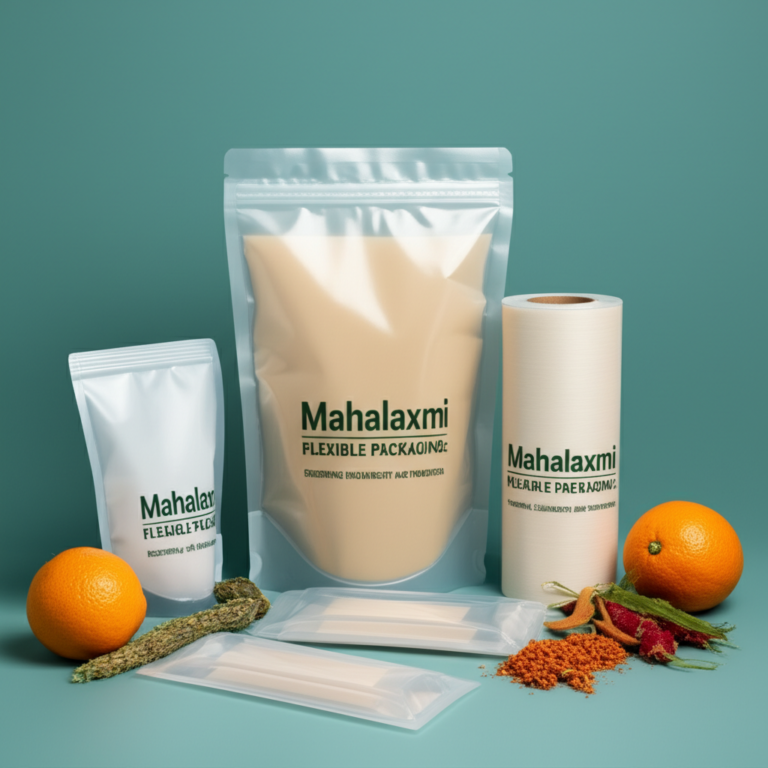

“Discover Mahalaxmi Flexible Packaging: Innovation, Sustainability, Excellence”
Exploring the Excellence of Mahalaxmi Flexible Packaging
Flexible packaging has become a cornerstone in the modern packaging industry, offering innovative solutions that combine functionality, sustainability, and aesthetic appeal. In this article, we will delve into the world of flexible packaging, with a focus on Mahalaxmi Flexible Packaging, a leading name in this domain. We will explore the benefits, technology, industry applications, and environmental impact of flexible packaging, highlighting why companies and consumers alike are gravitating towards this versatile packaging option. Whether you are a business owner looking to upgrade your packaging or simply curious about the packaging trends shaping the future, this piece offers comprehensive insights.
The Advantages of Flexible Packaging
Flexible packaging stands out due to its unmatched versatility and efficiency. Unlike traditional rigid packaging, flexible materials such as films, foils, and laminates allow for lightweight yet durable packaging forms. This flexibility means:
- Reduced material usage: Less material is required, which reduces overall weight and shipping costs.
- Customizable shapes and sizes: Flexible packaging can be tailored precisely to the product shape and size, enhancing shelf appeal.
- Improved product protection: Multi-layer films provide excellent barriers against moisture, oxygen, and light, extending product shelf life.
- Convenience features: Resealable zippers, spouts, and tear notches increase user convenience and reduce waste.
Companies like Mahalaxmi Flexible Packaging focus on harnessing these benefits to deliver innovative packaging solutions tailored to client needs.
Advanced Manufacturing Technology in Flexible Packaging
The production of flexible packaging requires advanced technology to achieve high-quality output. Mahalaxmi Flexible Packaging utilizes cutting-edge machinery and processes such as:
- Rotogravure printing: Provides high-resolution and durable prints on flexible films, contributing to enhanced branding opportunities.
- Lamination: Combines multiple film layers to produce packaging with superior barrier properties and mechanical strength.
- Blown film extrusion: Produces uniform, multi-layer films that are strong yet flexible.
- Die-cutting and pouch making: Allows precise shaping and integrating complex features like spouts and zippers.
The integration of these processes ensures that Mahalaxmi Flexible Packaging achieves high standards in quality and customization, meeting the demands of various industries.
Industry Applications Driving Flexible Packaging Demand
As consumer needs evolve, flexible packaging is becoming increasingly favored across multiple sectors including:
- Food and Beverages: Flexible packaging keeps products fresh and safe, offering portion control, easy opening, and resealing options.
- Pharmaceuticals and Healthcare: Provides tamper-evident, sterile packaging that protects sensitive products.
- Personal Care and Cosmetics: Enables attractive, lightweight packaging to boost brand identity.
- Agriculture and Chemicals: Offers robust protection and ease of handling for powders and liquids.
Mahalaxmi Flexible Packaging serves these industries by customizing packaging solutions that align with regulatory standards and consumer expectations, enhancing both safety and appeal.
Environmental Impact and Sustainability Efforts
With increasing ecological awareness, the packaging industry faces pressure to reduce environmental impact. Flexible packaging contributes positively by:
- Minimizing material usage and waste: Less raw material is used compared to rigid packaging, resulting in a smaller carbon footprint during production and transportation.
- Recyclability advancements: New film technologies and mono-materials are being developed for easier recycling.
- Energy efficiency: Manufacturing flexible packaging often consumes less energy than producing glass or metal containers.
Mahalaxmi Flexible Packaging is dedicated to integrating sustainable practices by investing in eco-friendly materials and collaborating on recycling initiatives, positioning themselves as an environmentally responsible partner.
Choosing Mahalaxmi Flexible Packaging for Your Needs
When selecting a flexible packaging provider, factors like quality, customization, technological expertise, and commitment to sustainability become critical. Mahalaxmi Flexible Packaging consistently delivers on these parameters, making them a trusted name in the industry. They also offer expert guidance on selecting the right materials and designs to elevate your product’s market presence. For more detailed information on their product range and services, check out this internal link to their product portfolio.
Conclusion
Flexible packaging is reshaping the packaging landscape by offering versatile, cost-effective, and sustainable solutions. Mahalaxmi Flexible Packaging exemplifies excellence in this field through advanced technology, diverse applications, and dedication to eco-conscious practices. Their comprehensive approach ensures clients receive packaging solutions that not only protect and preserve products but also enhance brand visibility. As industries continue to prioritize sustainability and efficiency, partnering with a knowledgeable flexible packaging provider like Mahalaxmi is essential for businesses striving to stay competitive and responsible in today’s market.
Frequently Asked Questions (FAQs)
Q1: What types of materials are used in flexible packaging?
A1: Flexible packaging utilizes materials such as polyethylene, polypropylene, polyester films, aluminum foils, and laminates which provide varying degrees of moisture, oxygen, and light barriers depending on product requirements.
Q2: How does flexible packaging benefit food product shelf life?
A2: Flexible packaging’s multi-layer barrier films protect food from exposure to air, moisture, and contaminants, significantly extending product freshness and shelf life.
Q3: Is flexible packaging environmentally sustainable?
A3: Yes, flexible packaging reduces material usage and transportation emissions. With innovations in recyclable materials and mono-layer films, its environmental profile continues to improve.
Q4: Can flexible packaging be customized to specific branding needs?
A4: Absolutely, advanced printing techniques such as rotogravure printing allow vibrant, detailed, and durable graphics tailored to the client’s brand identity.
Q5: How do I choose the right flexible packaging supplier?
A5: Look for suppliers with technological expertise, customizable options, commitment to quality, sustainability practices, and an ability to meet regulatory standards, such as Mahalaxmi Flexible Packaging.